High Pull Magnets for Enclosures Explained
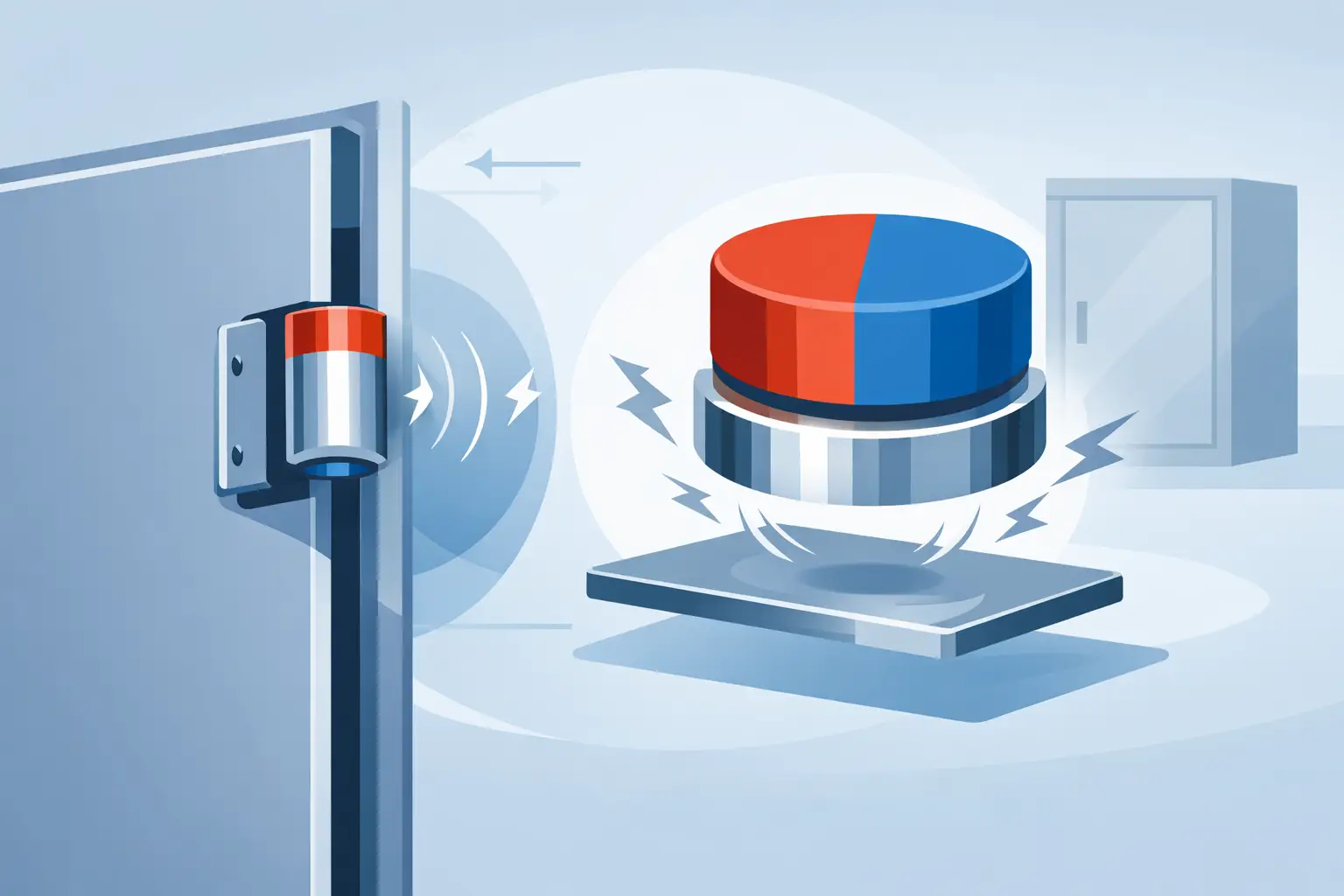
A cabinet door that looks square and well-made can still feel cheap the moment it refuses to stay shut. The same goes for access panels, retail display covers, workshop housings and equipment enclosures. In many of these builds, the weak point is not the hinge or the frame. It is the closure. That is where high pull magnets for enclosures make a noticeable difference, giving you a compact fixing that feels secure every time the panel closes.
For trade users and serious DIY buyers, the appeal is straightforward. A stronger magnetic catch helps an enclosure close cleanly, resist vibration and stay aligned in regular use. It also gives you more freedom in the design, because you can achieve a firm hold without bulky latches or visible mechanical hardware. When space is tight or the finish matters, that combination is hard to ignore.
Why high pull magnets for enclosures work so well
Enclosures are rarely just boxes with lids. They are often used in places where repeated opening, neat appearance and reliable closure all matter at the same time. A kitchen cabinet, a shop display unit, a machine guard or a bespoke wall panel may all need a catch that holds firmly but releases without a struggle.
High pull magnets solve that problem by concentrating strong holding force into a small footprint. Neodymium magnets are especially useful here because they deliver superior pull performance compared with many larger, lower-grade alternatives. That means you can fit a smaller magnetic catch or magnet assembly and still get a stronger result.
This matters in practical terms. A stronger magnet can help compensate for slight movement, minor vibration or the natural wear that comes with repeated use. It can also reduce the chance of a door drifting open when an enclosure is mounted slightly off-level. In busy environments, that extra holding strength is often the difference between a closure that feels dependable and one that becomes a constant annoyance.
Choosing the right magnet format
Not every enclosure needs the same magnet. The best choice depends on the panel weight, mounting method, available space and how flush the finished closure needs to be.
Disc magnets for compact closures
Disc magnets are a popular option when you want a simple, compact solution. They are easy to recess into timber, MDF, acrylic and some fabricated parts, making them useful for cupboard doors, lightweight panels and concealed closures. Their round shape also suits drilled fixing points, which keeps installation straightforward.
For smaller enclosures, a pair of strong disc magnets or a magnet-to-steel contact point can provide a clean hold without adding visual clutter. If the mating surfaces line up well, even a compact disc magnet can deliver impressive grip.
Block magnets for more contact area
Block magnets are often better when you need a wider contact face or want to spread holding force across a longer edge. They can suit larger access panels, custom housings or fabricated enclosures where there is room for a rectangular fixing point.
Because of their shape, block magnets can be easier to position along frame edges or behind trim sections. They are particularly useful where a narrow but strong catch is needed.
Countersunk magnets for secure fixing
Countersunk magnets are ideal when you want a screw-fixed solution. They allow you to mount the magnet directly to a panel or frame, which gives a more permanent and predictable installation. This is often the better option for workshop fittings, retail units and repeated-use enclosures where movement over time would be a problem.
A countersunk magnet can also save time during fitting. Instead of relying on adhesive alone, you get a mechanical fixing that is easier to align and more dependable in demanding conditions.
Strength matters, but so does control
The common buying mistake is assuming that the strongest magnet available is always the right one. In reality, enclosure design is about balance.
If the pull force is too low, the panel will not stay shut reliably. If it is too high, the enclosure may become awkward to open, especially on finger-pull doors or covers without handles. On lightweight panels, an overly strong magnet can even cause a jolt on contact, which may affect delicate finishes or make the closure feel harsher than it should.
That is why application matters more than headline strength alone. A small jewellery box, for example, has very different needs from a machine cover or a display cabinet door in a busy retail setting. Weight, opening frequency and how the user grips the panel all affect the right choice.
A good rule is to choose the strongest practical option that still suits the way the enclosure will be used. For many projects, a magnet working against a steel plate is enough. For others, paired magnets may be more effective where extra holding force or precise alignment is needed.
What affects pull performance in real use
Quoted pull strength is useful, but it does not tell the whole story. In an actual enclosure, performance depends on installation quality and operating conditions.
Surface contact is one of the biggest factors. A magnet delivers its best hold when it meets a flat, clean mating surface with minimal gap. If paint thickness, edging tape, laminate or poor alignment creates separation, the effective holding force drops. Even a small air gap can noticeably reduce performance.
Material choice also matters. Magnets perform differently against mild steel, stainless steel and another magnet. If you are fitting a magnetic closure into timber or composite panels, adding the correct steel strike plate can improve results and make the closure more consistent.
Direction of force matters too. Pull strength is strongest when the magnet is being separated directly away from the contact face. In many enclosures, though, the real stress comes from shear movement, vibration or twisting at the corner of a door. A closure that looks strong on paper may feel weaker if the panel shifts sideways rather than pulling straight off.
That is one reason why proper positioning is so important. Two smaller catches placed well can outperform one larger magnet placed badly.
Where these magnets are used
High pull magnetic closures are useful across a wide range of jobs. Cabinet makers use them for discreet door retention where a clean finish matters. Retail fit-out teams use them in display cases, hidden access panels and removable signage covers. Workshop users fit them into tool storage, machine guards and bench units. DIY builders use them for media walls, boxed-in pipework, understairs storage and custom furniture.
The advantage is the same in each case. You get a powerful and versatile closure without relying on bulky catches that can interrupt the design.
For many buyers, this is exactly why specialist products matter. A focused range of strong neodymium magnets and magnetic catches makes it easier to match the magnet to the job instead of settling for a generic fitting that is only just adequate.
Installation points that save problems later
A strong magnet cannot make up for poor fitting. If you want the enclosure to feel solid and reliable, accuracy matters.
Keep the mating faces as flat and as close as possible. Recessed fitting often improves both appearance and holding performance, but only if the magnet sits square. If you are using adhesive, make sure the bond is suitable for the surface and the working environment. Heat, moisture and repeated impact can all shorten the life of a weak adhesive fixing.
If the enclosure sees regular use, screw-fixed options are often the safer choice. Countersunk magnets are especially useful here because they provide secure mounting with less chance of drift over time.
It also helps to think about opening action before final placement. A magnet at the top corner of a tall panel may hold firmly but feel awkward to release. Moving the catch closer to the natural pull point can improve the user experience without reducing security.
When a stronger magnet is worth the extra spend
There are plenty of enclosures where a standard catch will do the job. But if the panel is heavier, opened often or exposed to movement, paying for higher pull performance usually makes sense. A cheap closure that fails early costs more in refits, call-backs and frustration than a better magnet ever will.
That is especially true for trade work, fitted furniture and customer-facing installations. If a display panel pops open, or a cabinet door starts drifting after a few weeks, the finish no longer feels professional. Stronger magnets help protect that result.
For buyers who want reliability without guesswork, Magman’s approach is the right fit: a focused range built around super-strong magnetic performance, practical formats and straightforward selection for real jobs.
The best enclosure closures are usually the ones nobody notices. They just hold firm, open cleanly and keep working long after the rest of the project is finished.