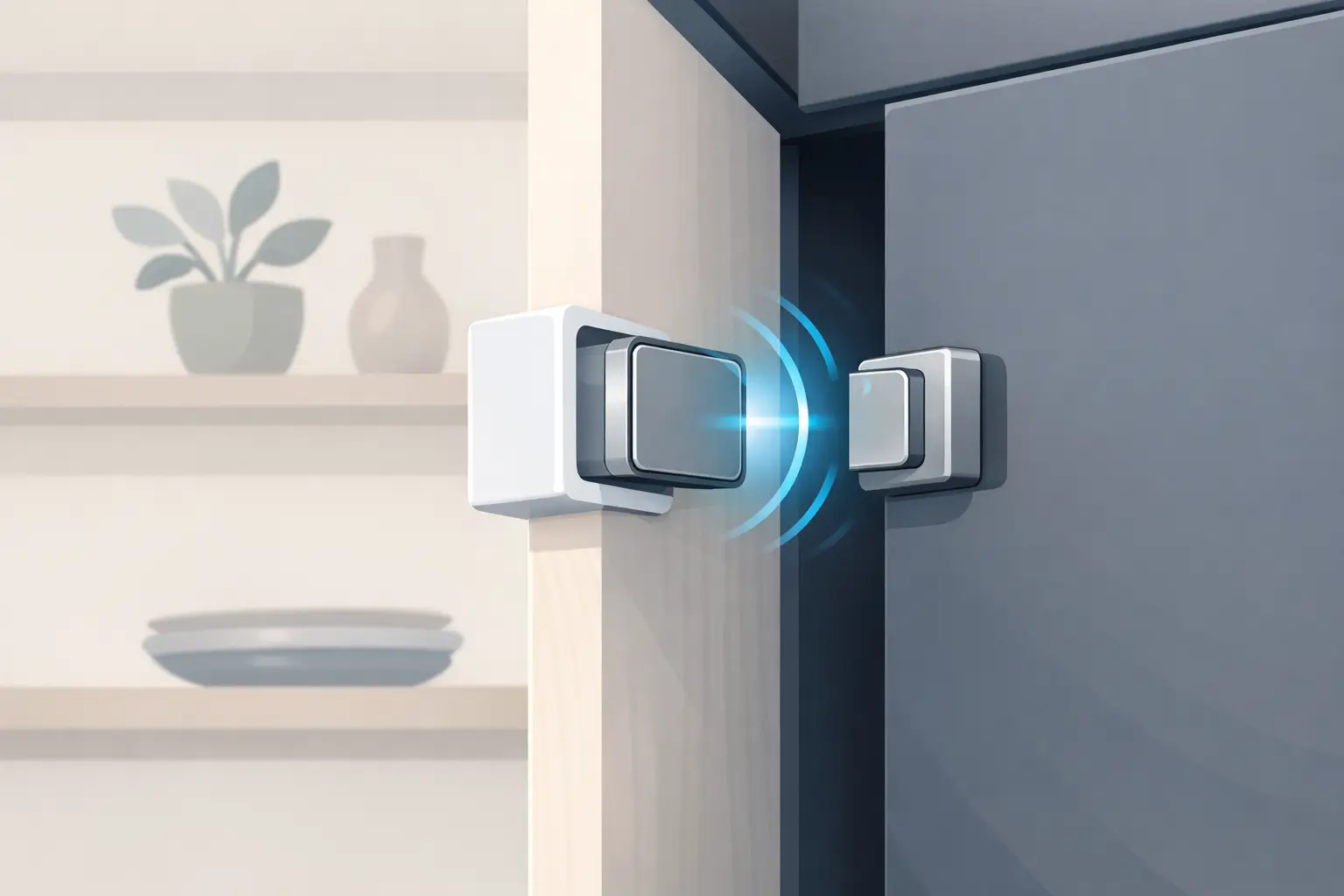
Furniture Magnets That Hold Cabinets Closed
A cupboard door that drifts open, a drawer front that will not sit flush, or a retail display that needs a clean hidden fixing can all come down to one small component. The right furniture magnets create a firm, repeatable hold without bulky latches, visible hardware or unreliable catches.
For cabinet makers, fit-out teams and capable DIYers, the objective is not simply to buy the strongest magnet available. It is to choose a magnet and fitting method that suit the door weight, closing gap, material and daily use. Get those details right and a compact neodymium magnet can provide a powerful, long-lasting closure.
What furniture magnets are used for
Furniture magnets are used to hold two parts together when closed or positioned. Most commonly, they secure cupboard doors, cabinet fronts, drawers, access panels and display units. They are also useful where a mechanical catch would be awkward, visible or likely to interrupt a clean design.
A magnetic closure usually consists of a neodymium magnet paired with a steel strike plate, another magnet, or a magnetic catch unit. When the two faces meet, they generate holding force. This keeps the door or panel in position while still allowing it to be opened by hand.
The appeal is straightforward. Neodymium magnets offer superior pull performance for their size, so they can be recessed into joinery, mounted behind a panel or fitted into compact spaces. They are particularly effective in bespoke furniture, where standard catches may not match the available fixing points or the desired finish.
Choosing furniture magnets for the job
There is no single best size or format for every project. A light cabinet door with a close-fitting strike plate needs far less force than a tall wardrobe door that may be pulled by hinges, warped slightly by seasonal movement or subject to regular use.
Start with real holding force
Pull force figures are useful, but they describe performance under ideal conditions: direct contact with clean, thick steel and a straight pull-away force. A furniture installation is rarely ideal. Even a small air gap caused by paint, laminate, a recessed fixing or imperfect alignment can reduce magnetic force significantly.
For that reason, allow a sensible margin. A magnet that only just holds a door shut on the bench may struggle once the hinges are adjusted, the door is painted or the unit is used every day. For heavier doors, two smaller magnets positioned at useful points can be more effective than one oversized magnet in the centre.
N52 neodymium magnets are a strong choice where space is limited and dependable holding power matters. Their high strength allows a compact disc or block magnet to do work that a much larger conventional ferrite magnet may not manage. Strength must still be matched to the application. Excessive pull can make a lightweight cupboard feel harsh to open or cause a sharp snap when the door closes.
Select the right format
Disc magnets are often the simplest choice for concealed furniture closures. They can be drilled into timber or MDF and fitted flush with the surface, creating a neat result. A matching steel plate on the opposing face provides an effective, practical target.
Block magnets offer a larger flat contact area and can suit narrow frame sections, sliding panels or custom housings. Their rectangular shape can also help with positioning where drilling a round recess is not suitable.
Countersunk magnets are designed for screw fixing. They are useful when a magnet needs to be mounted on the surface of a cabinet, inside a frame, or beneath a panel without relying on adhesive alone. The screw head sits into the countersunk hole, helping the magnet remain secure under repeated opening and closing.
Magnetic catches are often the quickest route for standard cupboard doors. They combine the magnet and housing in a purpose-made unit, usually with a strike plate included. This makes them well suited to kitchen units, utility cupboards, workshops and straightforward furniture repairs where speed and dependable alignment are priorities.
Consider the closing gap and materials
The magnet must be close enough to its strike plate to perform properly. A large gap weakens the hold, particularly with small magnets. Before drilling or fixing anything, hold the chosen parts in the proposed position and test the closure through any paint, veneer, tape or panel material that will remain in place.
Steel provides the strongest and most predictable strike surface. Stainless steel varies widely, and some grades are not magnetic, so do not assume a stainless fitting will work. Aluminium, brass, copper, timber and plastic are not magnetic. If the opposing component is made from one of these materials, fit a steel strike plate or use a second magnet.
Practical uses around furniture and fit-outs
Furniture magnets work best when they solve a clear fixing or closure problem. In kitchen and utility units, they can supplement tired catches or secure doors that need a discreet hold. In fitted wardrobes, they can keep slim doors or access panels neatly closed where space for conventional hardware is restricted.
For retail and exhibition work, magnets are useful for removable signage, concealed storage doors, display plinths and inspection panels. They allow quick access for staff while preserving a clean customer-facing finish. In workshops and small manufacturing, they are often used to hold jigs, guards, tool holders and removable wooden components in a fixed position.
They are equally valuable in custom builds. A media unit may need a removable front for cable access. A bathroom cabinet may need a low-profile catch that does not interfere with the internal layout. A camper conversion or boat locker may need a compact closure, although moving installations require extra care: vibration and sudden movement can demand a stronger, mechanically supported solution.
How to fit magnets for a reliable closure
Alignment is the difference between a strong, satisfying closure and a magnet that seems disappointingly weak. Mark the closing position with the door properly hung and adjusted, rather than working from rough measurements alone. The magnet and strike plate should meet face to face, not at an angle.
For recessed disc magnets, drill a flat-bottomed hole to the correct diameter and depth. The magnet should sit flush or fractionally below the timber surface, never proud where it can chip, scrape or stop the door closing. Use a suitable adhesive only after a dry fit confirms that the door shuts correctly.
When using countersunk magnets, pre-drill the fixing hole and use an appropriately sized screw. Do not overtighten. Neodymium magnets are extremely hard but can be brittle, and excessive force may crack the magnet or damage its coating. A thin steel strike plate should be fixed flat, with no raised screw heads preventing contact.
Test the door several times before committing to the final installation. Check that it closes without bouncing back, stays shut when gently pulled, and opens comfortably. If the hold is poor, first inspect alignment and the gap. Moving the strike plate by a few millimetres can make more difference than fitting a stronger magnet.
Avoid the common causes of weak magnetic catches
Poor results are usually caused by installation details rather than a faulty magnet. A magnet fitted too deeply in a door edge may sit several millimetres away from its plate. A thick paint layer, decorative trim or uneven surface can have the same effect. Using a non-magnetic stainless fixing plate is another frequent problem.
Do not rely on adhesive where the magnet is exposed to repeated impacts, heat or side-loading. Adhesive can be effective for a recessed, protected magnet, but screw-fixed countersunk magnets or purpose-built catches are usually the safer option for high-use doors.
Also consider what happens when a door is pushed closed. A very strong magnet can pull a lightweight door shut abruptly, creating noise and stress on the fixing. Cabinet bumpers can soften the close, maintain a controlled gap and prevent timber-to-timber contact. The best result is firm, not unnecessarily aggressive.
Safe handling and long-term performance
High-strength neodymium magnets deserve careful handling. Keep fingers clear when bringing larger magnets or magnetic catches together, as they can snap together quickly. Keep them away from electronic devices, magnetic storage media and anyone with a pacemaker or other implanted medical device unless appropriate medical guidance has been followed.
Most quality magnets have a protective coating, but this should not be treated as indestructible. Avoid striking, grinding or drilling the magnet itself. In damp settings, use a suitable coated product and ensure the surrounding furniture construction is protected from moisture as well.
A well-chosen magnetic closure should disappear into the job: no rattling door, no awkward catch and no visible compromise to the furniture. Measure the gap, choose the fitting style that suits the build, and allow enough strength for real use. That is how a small magnet delivers a properly dependable result.